
Using Biohacking Lite to Support Cancer Recovery and Chronic Health Issues.
Over the years, I have seen—and personally experienced—how quickly the word 'health' can shift from something natural to a project. Especially when cancer or a chronic condition enters your life, there is a natural urge to try to control everything: following protocols, stacking advice, and constantly searching for that one missing puzzle piece.
My own journey, and that of many people I have met, revealed something different. Recovery rarely came from working harder on the body, but rather from slowing down, listening, and refining. It was from this experience that my vision to go for Biohacking Lite was born: an approach that treats the body not as a machine, but as an intelligent, sensitive system that simply needs the right conditions to heal itself.
For many, the term biohacking conjures up images of ice baths, complex gadgets, strict protocols, and an almost obsessive drive for optimization. For those recovering from cancer or living with a chronic condition, this often feels not only unattainable but also unsafe or even counterproductive.
That is why a different approach is gaining ground: Biohacking Lite. A gentle, person-centered form of biohacking that doesn't stem from performance, but from attunement. It is not about forcing the body to function better, but about creating the conditions in which recovery can occur.
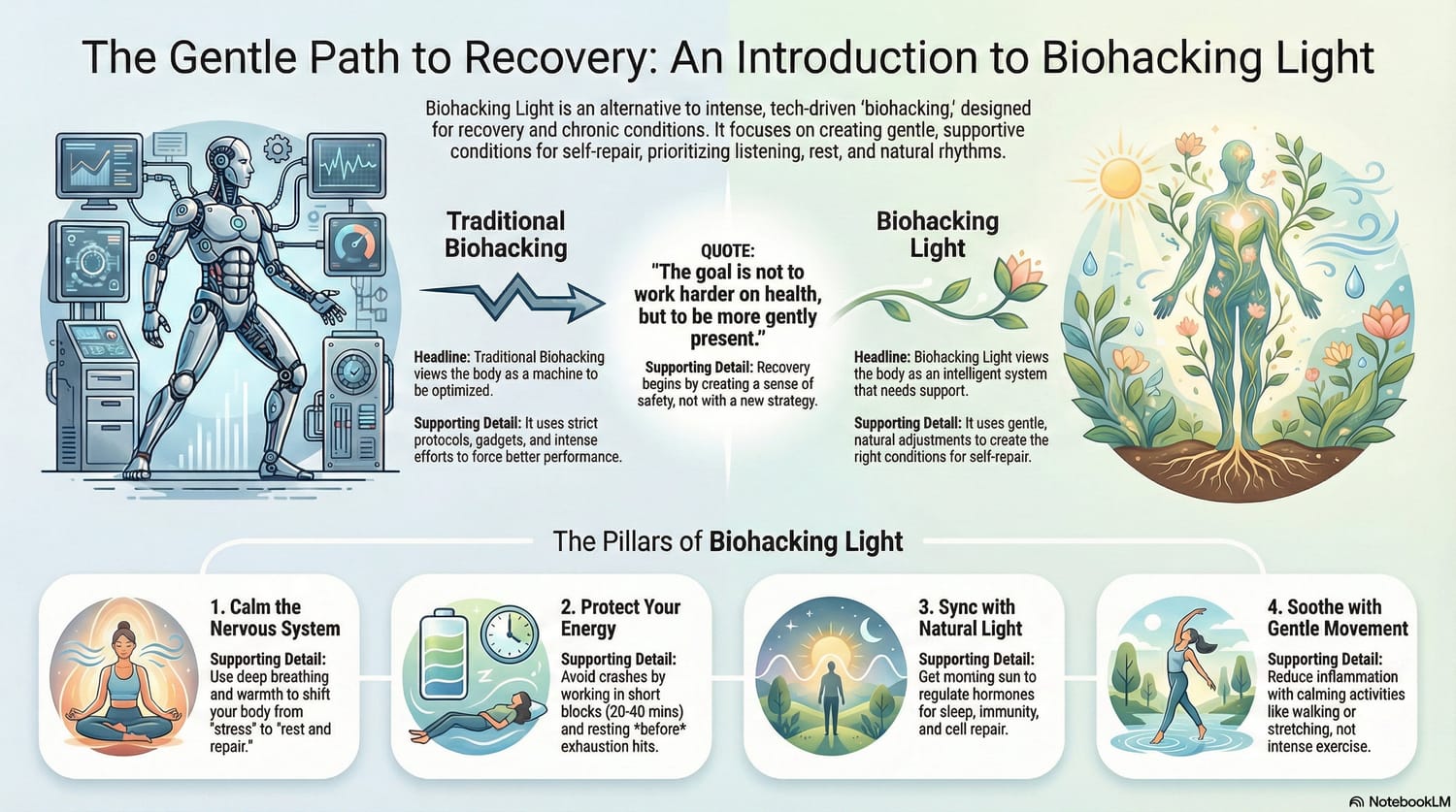
Biohacking Lite means working with small, natural interventions that support the body’s innate ability to self-regulate. It is about rhythm, rest, simplicity, and listening. No extreme experiments, no one-size-fits-all schedules—only subtle adjustments that respect vulnerability, limited energy, and a sensitive nervous system.
For people in cancer recovery or those with chronic conditions, this is crucial. Their bodies are often in a prolonged state of stress: physically, emotionally, and biochemically. Therefore, Biohacking Lite does not focus on 'doing more,' but on allowing better to happen.
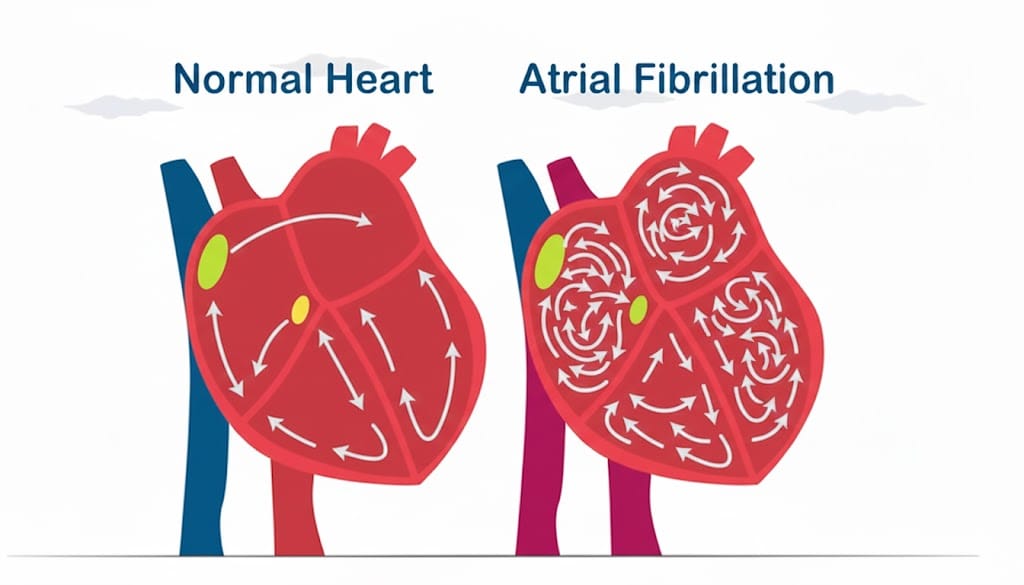
My own insight didn't come from theory, but from a physical experience that refused to be ignored. A few years ago, I was diagnosed with atrial fibrillation—a heart rhythm disorder where the atria of the heart contract chaotically and without coordination.
Instead of a calm, steady heartbeat, an unpredictable rhythm emerges. This can manifest as palpitations, shortness of breath, dizziness, fatigue, and a profound sense of dysregulation.
What struck me most was not just the physical aspect, but the signal my body was sending: this pace is no longer sustainable.
Atrial fibrillation is often approached as a technical problem to be managed. But for me, it also became a teacher. The heart—literally the rhythmic center of the body—showed me what happens when tension, hyper-vigilance, and adaptation dominate for too long.
There, at the crossroads of vulnerability and insight, Biohacking Lite became more than a concept for me; it became a necessity. Not intervening, but attuning and not optimizing, but stabilizing. Recovery didn't begin with a new strategy, but with restoring safety and rhythm.
A central pillar of Biohacking Lite is the nervous system. True recovery takes place in the parasympathetic state: rest, digestion, and regeneration. However, many people living with chronic illness exist in a continuous state of 'fight-or-flight.'
Gentle biohacks that support the nervous system include:
Calm abdominal breathing, making the exhalation longer than the inhalation.
Soft humming, singing, or mantras, which stimulate the vagus nerve.
Warmth: herbal tea, a hot water bottle, or a warm bath.
These simple acts have measurable effects: lowering cortisol levels, improving digestion, enhancing sleep, and creating a more favorable inflammatory profile.
When dealing with cancer and chronic illness, energy is a precious commodity. Biohacking Lite acknowledges this and moves away from the old paradigm of 'pushing through.' Instead, the focus shifts to energy management.
In practical terms, this means:
Breaking activities into short blocks (20–40 minutes).
Taking regular breaks before exhaustion sets in.
A daily moment of 'sensory rest': no screens, no conversations, no tasks.
This anti-crash principle prevents exhaustion peaks and supports the adrenal glands and the immune system. The body relearns that it is safe to restore energy rather than constantly being forced to compensate.
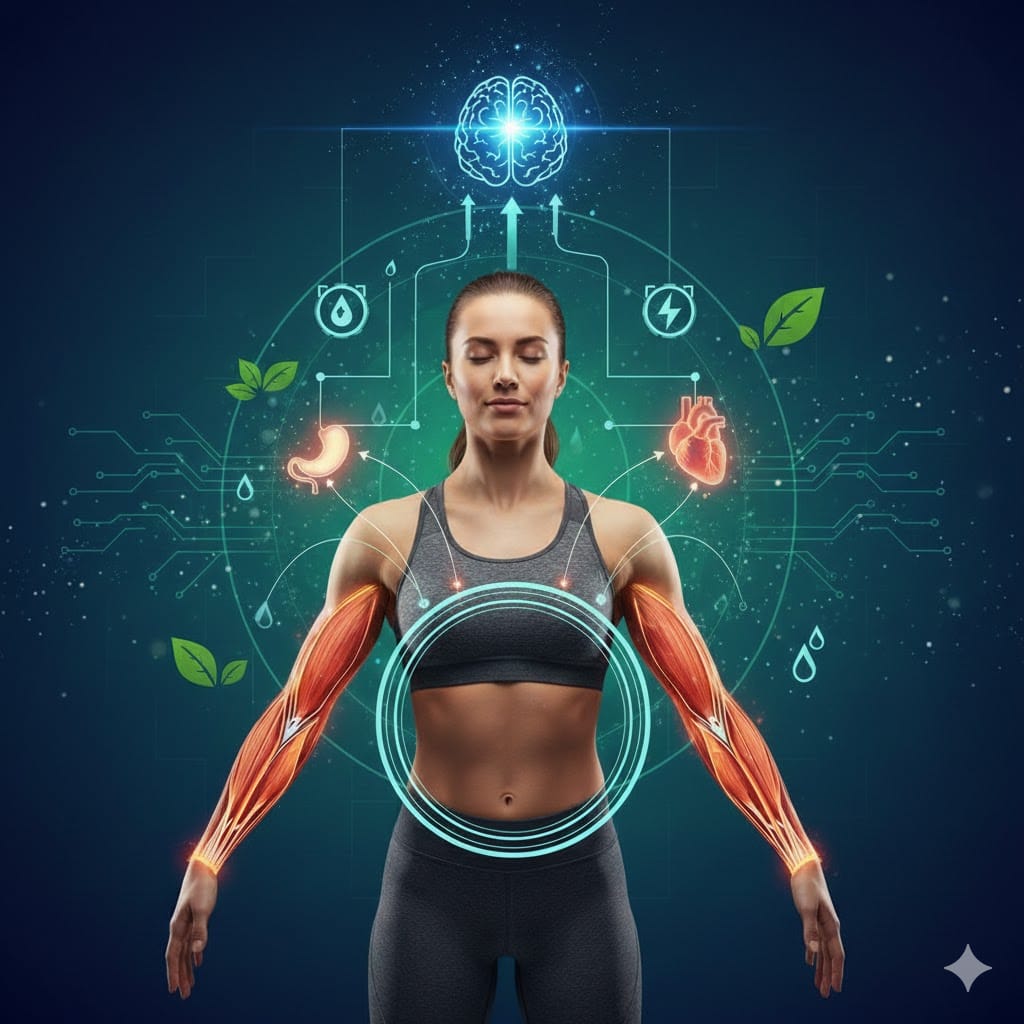
This final section provides a powerful bridge between circadian biology and gentle inflammation management. Here is the translation:
English Translation
"Illness and medical treatments often disrupt the circadian rhythm. Sleep becomes lighter, more restless, or irregular. Biohacking Lite avoids complex technology, relying instead on natural light and simplicity.
Key pillars include:
Morning light on the eyes and skin, even on cloudy days.
Warm, dimmed lighting after sunset.
A consistent sleep-wake cycle, even after a poor night’s rest.
This supports the production of melatonin, a hormone that not only regulates sleep but is also deeply involved in immune recovery and cellular protection.
Many chronic conditions and cancer processes are accompanied by low-grade inflammation. Here, Biohacking Lite opts for soothing rather than aggressive interventions.
Examples include:
Daily gentle movement, such as walking, Yin Yoga, or soft stretching.
Warmth and relaxation instead of intensive training.
Supportive herbs such as turmeric, ginger, or boswellia (always tailored to the medical context).
By allowing the body to experience a sense of safety, the need to remain in a constant state of inflammation diminishes.
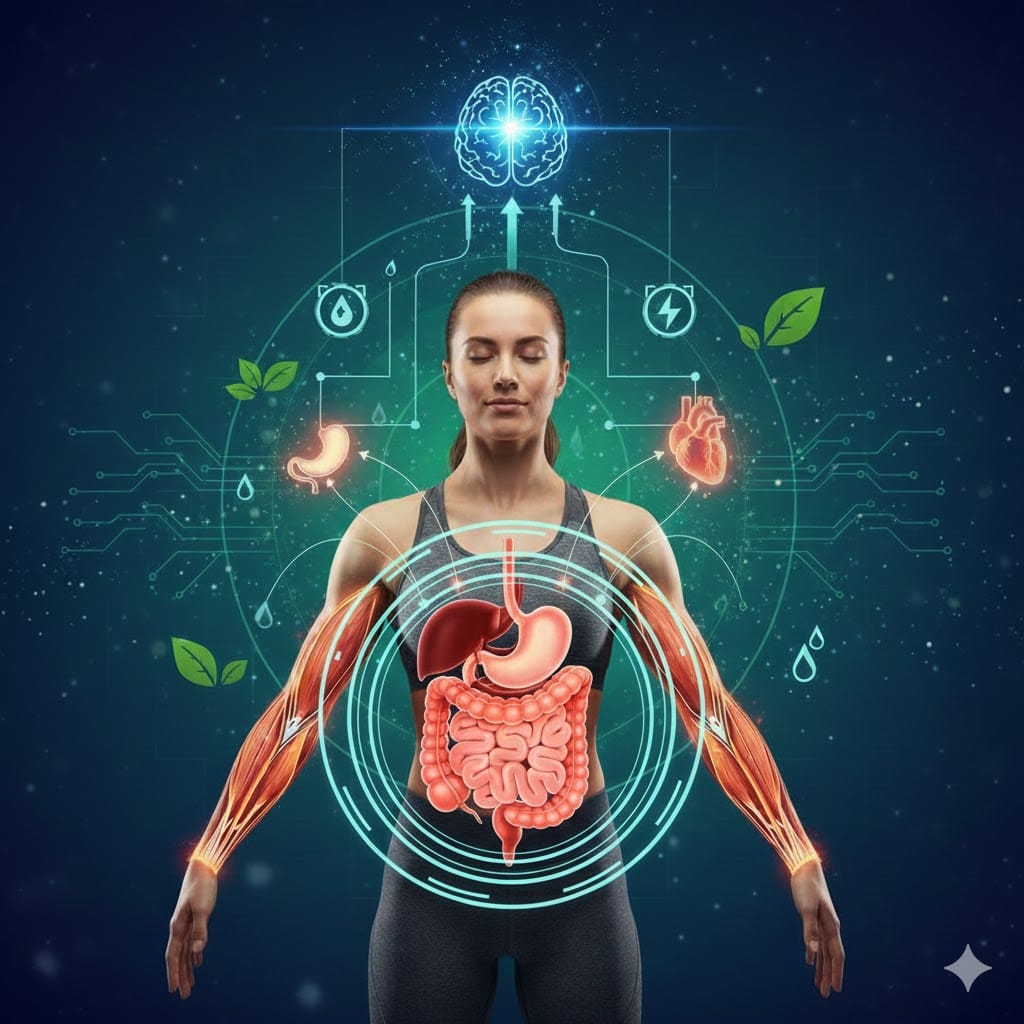
The gut plays a key role in immunity, hormonal balance, and detoxification. During illness, the digestive system is often overloaded or dysregulated.
Biohacking Lite focuses on:
Simple, easily digestible foods.
Bitters before meals to activate digestive juices.
Small amounts of fermented foods, tailored to individual tolerance.
A calmer microbiome means less systemic stress and a better-regulated immune system.
Furthermore, anxiety, grief, uncertainty, and existential questions are not mere 'mental side issues.' They have direct biological effects. Chronic emotional stress keeps the body in a state of high alert that actively hinders recovery.
Biohacking Lite recognizes this and integrates emotional self-care as a form of biological support:
Daily check-ins: Taking a moment to ask: What needs support today?
Somatic meditation: Feeling into the body rather than analyzing it.
Meaningful anchors: Using rituals, writing, silence, or nature as grounding points.
When the body feels emotionally safer, it can finally let go physiologically.
In the process of recovery, there is often a tendency to keep adding more and more supplements. Biohacking Lite, however, chooses restraint.
The guidelines are:
Purpose-driven only: Using only supplements with a clear, specific function.
Low dosages.
Regular pauses and observation.
The goal is support, not overstimulation. The body remains the leading intelligence.
Biohacking Lite for cancer recovery and chronic illness is not about optimization, but about relationship: the relationship with your body, with your energy, with your boundaries, and with meaning.
It is an invitation to stop seeing the body as a problem to be solved, and instead view it as an ally that simply needs the right conditions to recover.
A Reflection for the Reader As you read this, take a moment to consider the following: Which small act of gentleness, slowing down, or attention would support your body most today—if, just for a moment, you didn’t have to improve or optimize anything? Perhaps it isn’t a major change, but a subtle shift. And often, that is exactly where recovery begins.
Scientific Grounding
The approach described in this article aligns with existing scientific insights from lifestyle medicine and integrative care. Peer-reviewed publications and guidelines support various components of what is referred to here as Biohacking Lite:
Lifestyle Medicine: Systematic reviews demonstrate that adjustments in nutrition, movement, sleep, and stress regulation contribute to improved outcomes for chronic conditions such as cardiovascular disease and diabetes.
Integrative Oncology: Research shows that gentle movement (such as walking, yoga, and Tai Chi) reduces fatigue and improves quality of life for those recovering from cancer.
Longevity Research: Large cohort studies show a direct correlation between a healthy lifestyle and living more years free of serious chronic illness.
Clinical Guidelines: Guidelines for cardiovascular disease emphasize lifestyle interventions as a fundamental part of both prevention and secondary care.
These studies confirm that small, sustainable lifestyle interventions—when tailored to the individual—can play a meaningful role alongside conventional medical care.
1. Digital Biohacking Interventions in Nutrition
🔹 Digital Biohacking Approach to Dietary Interventions: A Comprehensive Strategy for Healthy and Sustainable Weight Loss — Een peer-reviewed studie die een digitale biohacking-methode onderzoekt om voeding aan te passen voor gewichtsverlies via minimale, op leefstijl gerichte veranderingen. Dit valt binnen de mildere biohacking-categorie, omdat het geen gebruikmaakt van invasieve technologie, maar van micro-aanpassingen in het dieet. 👉 Full text (open access): https://pmc.ncbi.nlm.nih.gov/articles/PMC11243021/
2. Research into Biohacking as a Concept
🔹 Biohacking on PubMed beschrijft biohacking als een DIY-fenomeen waarin individuen experimenteren met technieken om hun lichaam te beïnvloeden, variërend van technologische hulpmiddelen tot leefstijlaanpassingen — hoewel de focus in de literatuur vaak ligt op transhumanisme of technologie-gedreven aspecten. 👉 PubMed link: https://pubmed.ncbi.nlm.nih.gov/29550160/
3. Systematic Insights into Lifestyle Interventions
Hoewel ze de term 'biohacking' niet altijd expliciet gebruiken, behandelen diverse systematic reviews hoe leefstijlinterventies (zoals slaap, voeding en beweging) de gezondheid fundamenteel verbeteren. Dit sluit inhoudelijk naadloos aan bij de principes van Biohacking Lite. Bijvoorbeeld: 🔹 Systematic review of lifestyle interventions to improve weight, physical activity and diet — Dit onderzoek toont aan dat dergelijke interventies significante positieve effecten hebben op zowel de fysieke gezondheid als duurzame gedragsverandering. 👉 PubMed link: https://pubmed.ncbi.nlm.nih.gov/36085250/
Disclaimer: This article is intended for inspiration and support and is not a substitute for medical diagnosis, treatment, or guidance from a physician or other qualified healthcare provider.
Created by © Noël