
The Hidden Power of Mitochondria: How These Mini Power Plants Shape Your Health and Aging
Mitochondria — we hear about them more and more, but few people truly understand what they do. Yet, they largely determine how energetic, vibrant, and healthy we are. In this article, I’ll take you into the fascinating world of these tiny power plants and explain why they play a key role in both our health and aging.
Mitochondria are the power stations of your cells. They convert food and oxygen into ATP — the fuel every cell needs to function.
Without mitochondria, nothing in your body would work:
not your muscles
not your brain
not your immune system
not your hormones
not your organs
They’re small, but crucial. When your mitochondria are strong, you are strong.
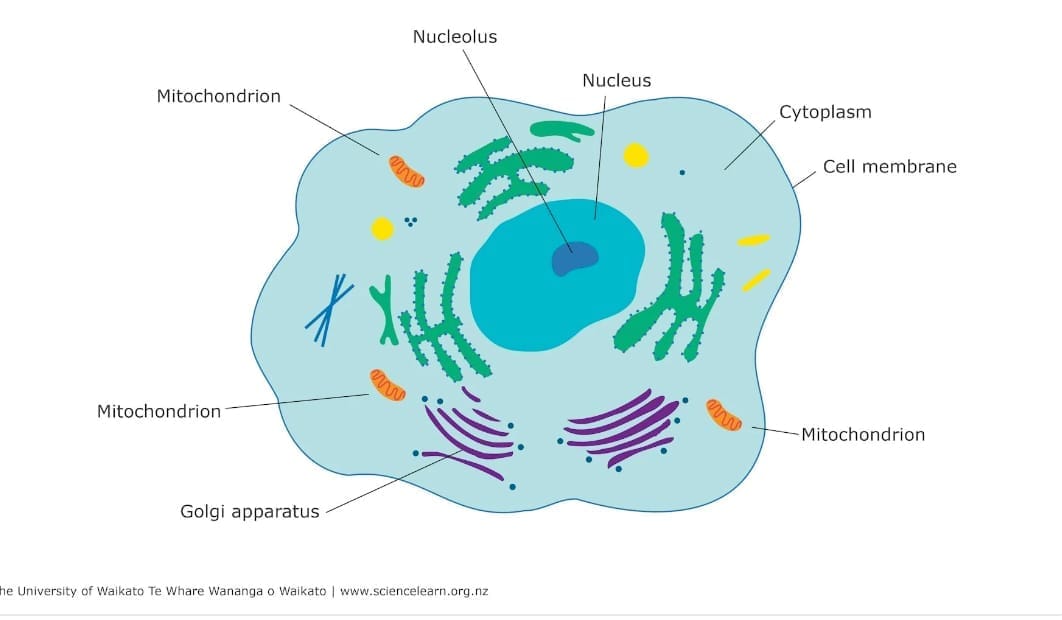
A few years ago, I worked with a woman who was doing everything “right”: eating healthy, going to bed on time, exercising… yet she remained exhausted. It felt as though her body was running at half power.
When I explained to her that energy is not just about food or sleep, but about how well your cells can produce energy, she looked at me in surprise.
“So my body can’t produce energy, even if I live healthily?” she asked.
And that question has stayed with me ever since
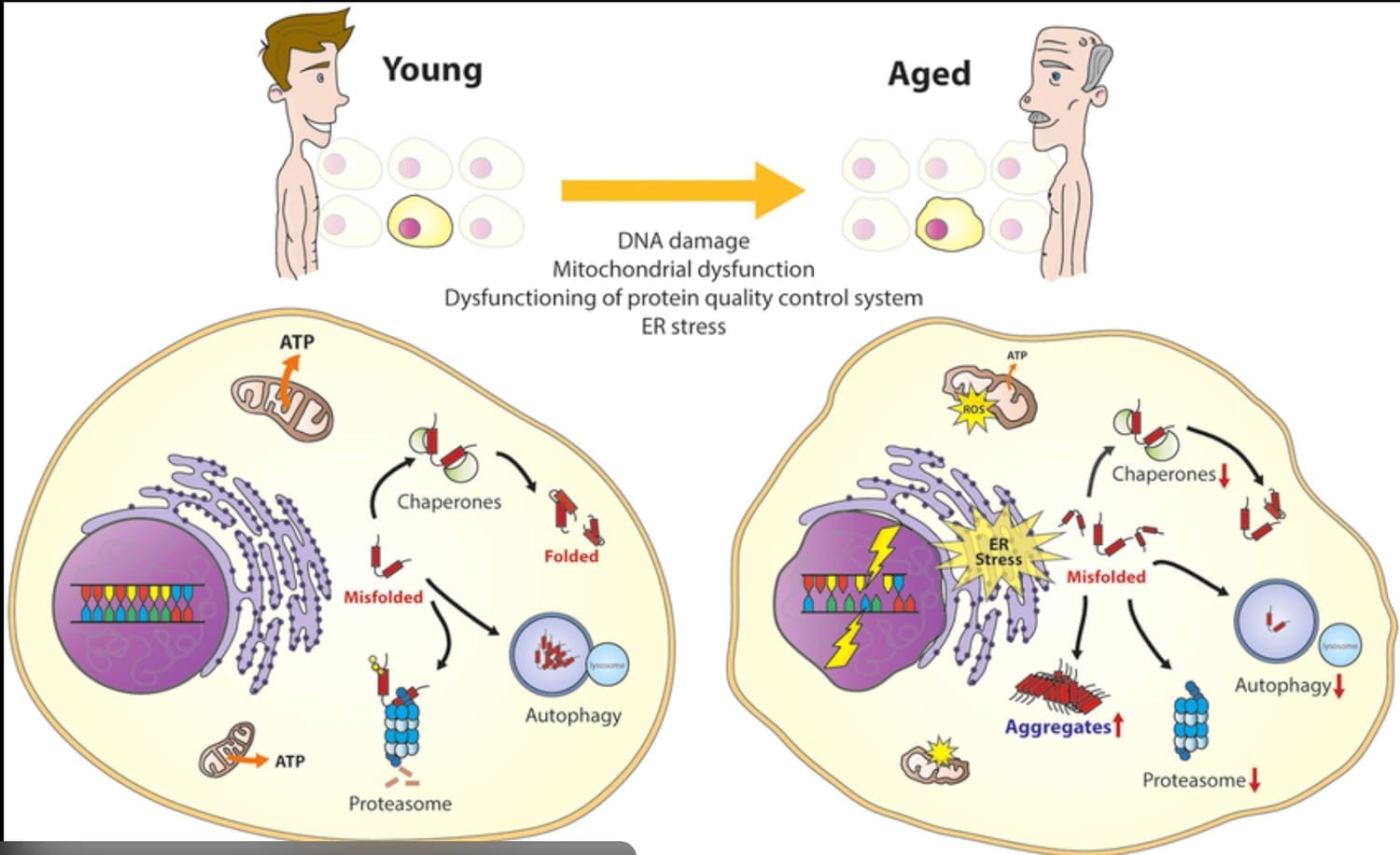
Mitochondria and Aging: What Happens Inside Your Cells?
As we get older:
mitochondria produce less energy
they become damaged more easily
oxidative stress increases
cells repair themselves more slowly
This leads to typical signs of aging:
brain fog
fatigue
wrinkles and skin aging
reduced muscle strength
lowered immunity
chronic inflammation
You could say that mitochondria determine the pace of our aging.
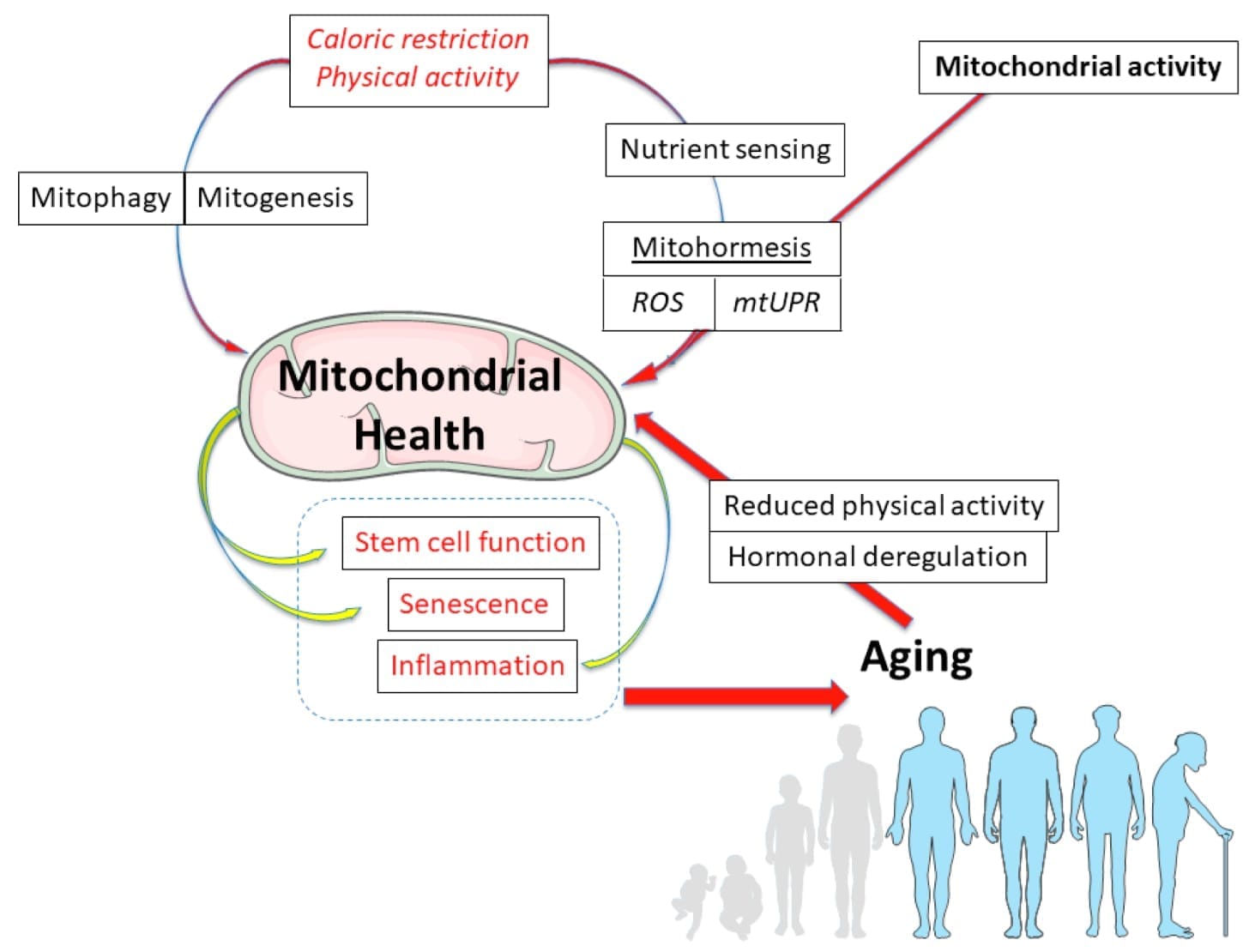
The good news is this: mitochondria can repair themselves — and you can strengthen them.
1. Eat for Cellular Energy
Green vegetables
Berries and antioxidants
Turmeric
Healthy fats: olive oil, avocado, omega-3
Protein for cellular repair
2. Avoid Energy Thieves
Sugar
Fast carbohydrates
Trans fats
Chronic stress
3. Move Daily
Movement stimulates the production of new mitochondria.
Strength training and interval training are especially effective.
4. Cold and Heat Exposure
cold showers
sauna
Both types of exposure make mitochondria more resilient.
5. Relax Consciously
Stress blocks energy production.
Breathing exercises, yoga, and meditation restore your cellular balance.
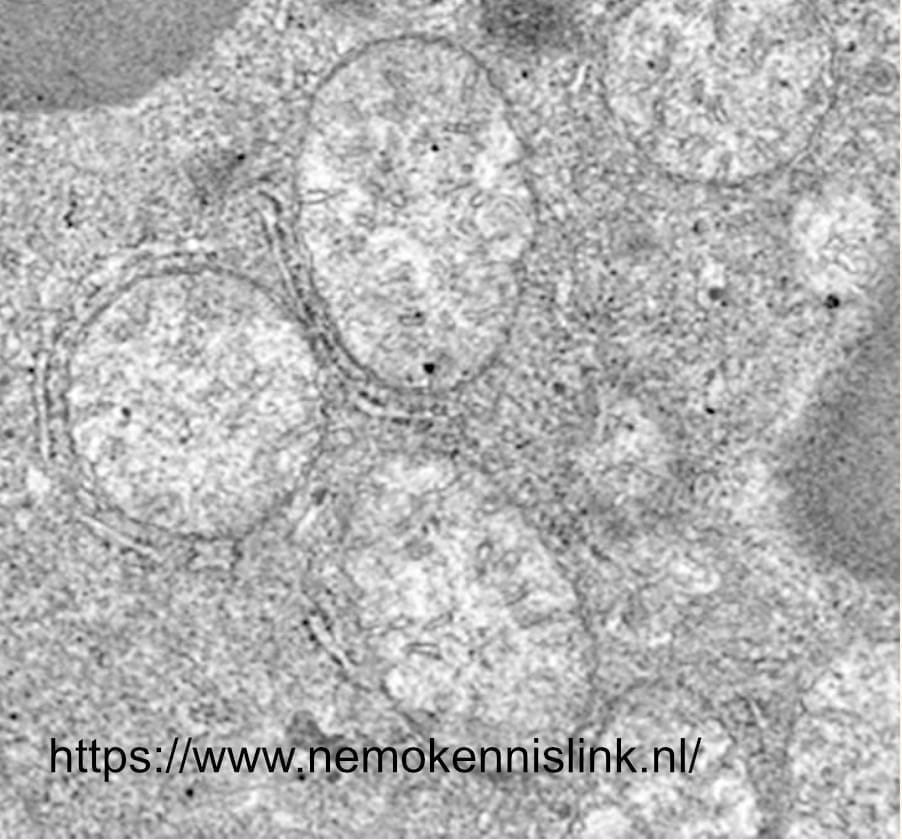
A Simple Metaphor
“Imagine your body is a large city. The mitochondria are the power plants.
If they are strong, the whole city runs smoothly.
If they weaken, systems begin to fail — lights flicker, machines shut down, buildings age.
That is aging.
And that process begins in the power plants of your cells.”
Mitochondria determine:
how much energy you have
how quickly you recover
your immunity
your rate of aging
your hormonal balance
By supporting them, you invest in a more vital, stronger, and slower-aging body.
Perhaps the most fundamental form of self-care.
Annie

Biologiepagina.nl – “Mitochondria”
Clear explanations in plain language about the structure and function of mitochondria.
LeerWiki – “What Do Mitochondria Do?”
Easy-to-understand explanations with simple comparisons (the cell’s power plants).
Universiteit van Vlaanderen – Short Video Explanation
Accessible scientists explain cellular energy and mitochondria in simple terms.
Wetenschap in Beeld (Dutch)
Articles with illustrations showing how mitochondria produce energy.
NEMO Kennislink – “Energy in the Cell”
Readable explanations about ATP and mitochondrial energy production.
Schooltv – “The Cell and Its Components”
Very simple videos, including segments on mitochondria, suitable for all levels.
Created by © Noël